Introduction
A living room doesn’t have to be physically small to feel cramped.
In many homes, the problem isn’t square footage it’s design choices that unintentionally make the room feel tighter, darker, and more crowded than it needs to be.
The good news is that small visual changes can dramatically improve how a space feels. By understanding the most common living room design mistakes, homeowners can create rooms that feel brighter, more open, and far more comfortable for everyday living.
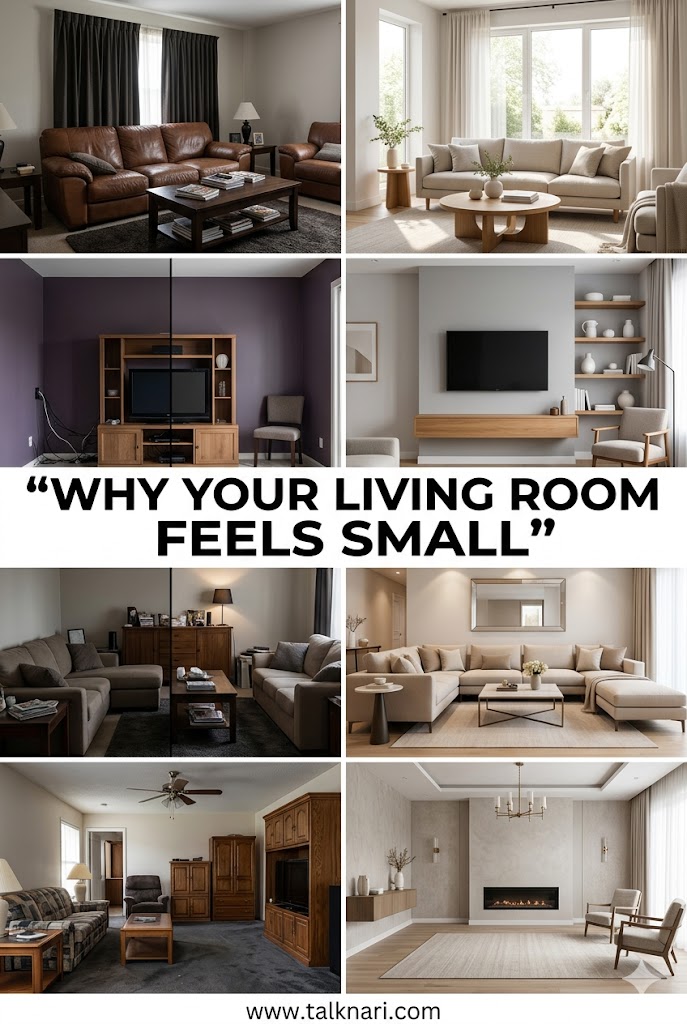
1. Choosing Furniture That Is Too Large
Oversized sofas and bulky furniture can quickly overwhelm a room.
While large pieces may look beautiful in a showroom, they often dominate smaller spaces and reduce the amount of visible floor area. Furniture should fit the scale of the room rather than overpower it.
If you’re working with a compact space, layout and furniture scale can completely change the perception of size.
We explored this in our guide on small living room ideas that feel bigger.
2. Blocking Natural Light
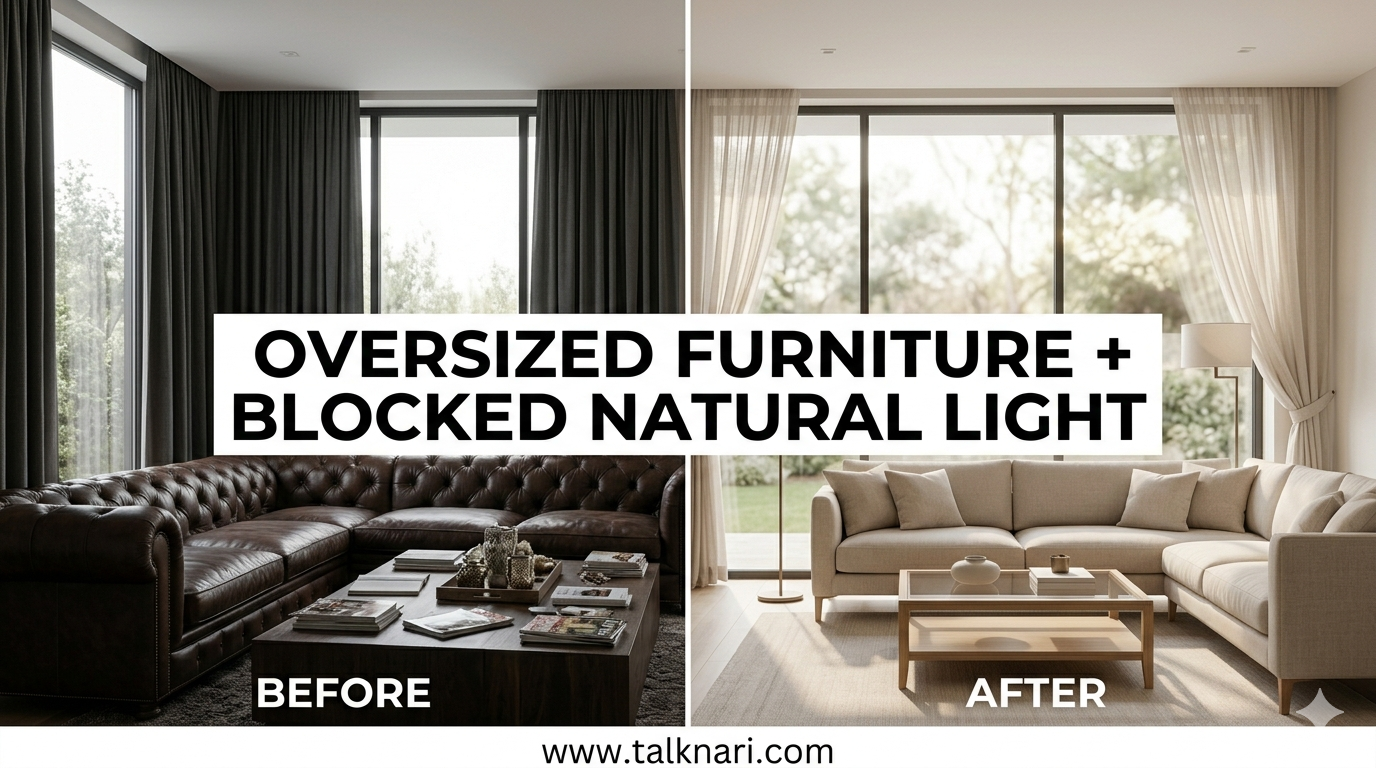
Natural light is one of the easiest ways to make a room feel larger.
Heavy curtains, oversized décor, or furniture placed directly in front of windows can reduce brightness and create a closed-in atmosphere.
3. Pushing Every Piece of Furniture Against the Walls
Many people assume this creates more space.
In reality, placing every item directly against the walls can sometimes make a room feel flat and awkward. Creating intentional conversation areas often improves flow and balance.
4. Using Too Many Dark Colors
Dark colors can look sophisticated, but excessive darkness may visually shrink a room.
A balanced palette with lighter tones helps reflect light and create a more open feeling.
5. Choosing a Rug That Is Too Small
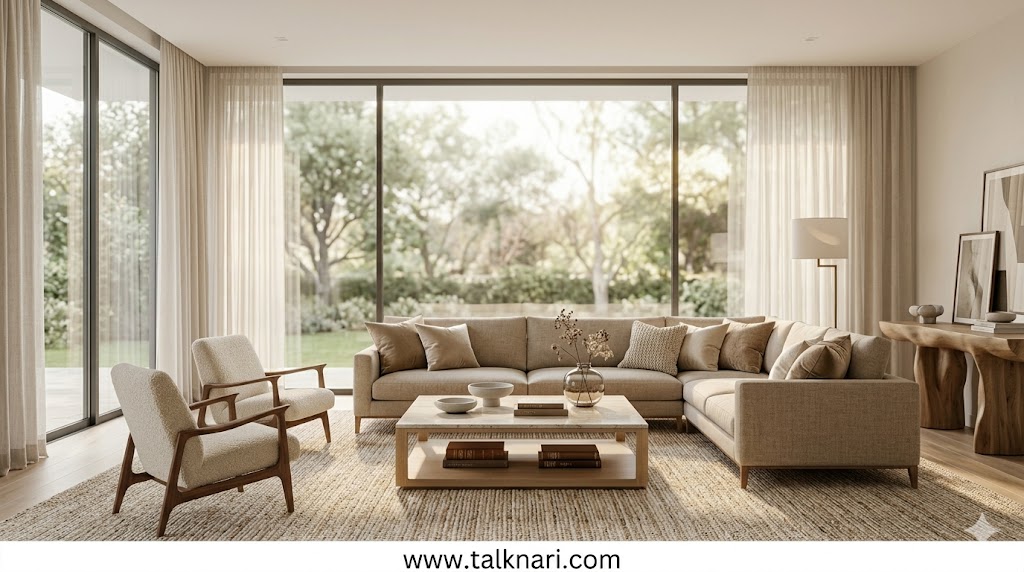
One of the most common decorating mistakes is selecting an undersized rug.
Small rugs can visually break up the room and make furniture arrangements feel disconnected.
6. Creating Too Many Focal Points
A room should have visual direction.
When televisions, fireplaces, artwork, shelving, and decorative displays all compete for attention, the space can feel cluttered and overwhelming.
7. Ignoring Vertical Space
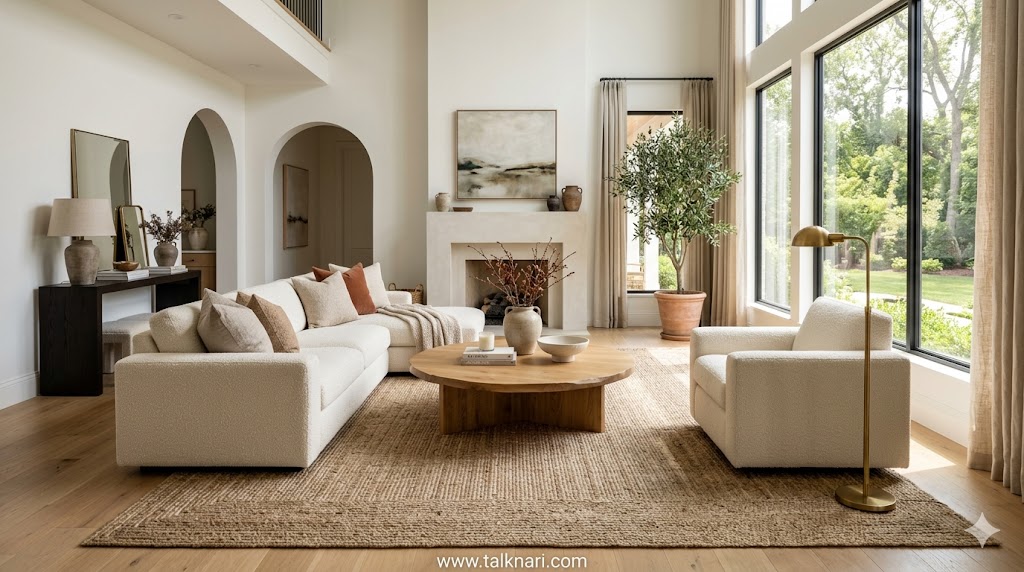
Many homeowners focus only on floor-level decorating.
Using wall height effectively can help draw the eye upward and make ceilings feel taller.
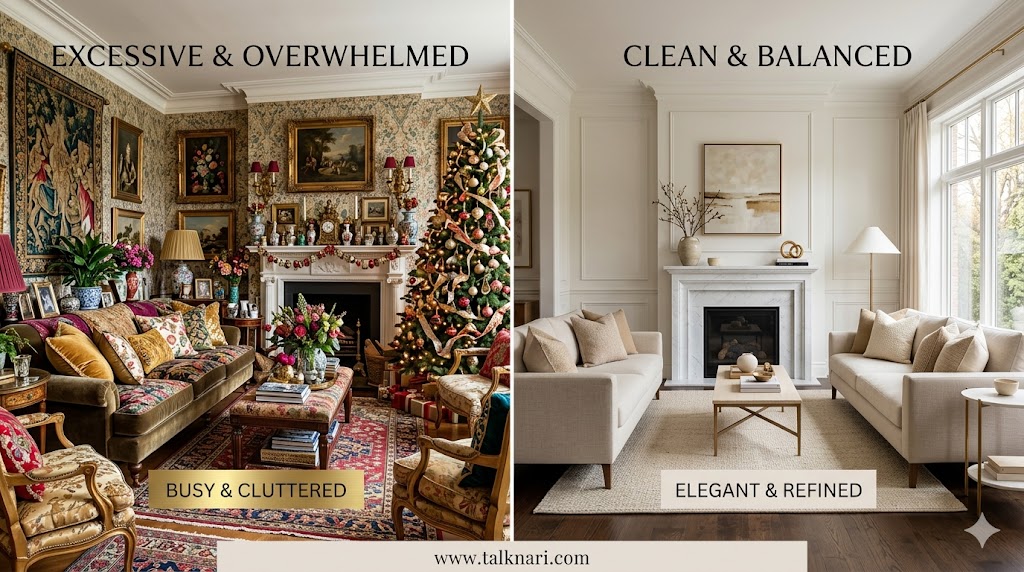
8. Overdecorating Every Surface
Decorative objects add personality, but too many accessories can create visual noise.
A carefully edited room often feels more luxurious and spacious.
Visual balance plays a big role in how a space feels, especially when too many elements compete for attention.
You can learn more in our article on design choices that make living rooms feel cluttered.
9. Poor Furniture Placement
Even beautiful furniture can make a room feel awkward if the layout doesn’t support natural movement.
Walkways should remain clear and comfortable.
10. Using Heavy Furniture With Visual Weight
Solid, bulky furniture can make rooms feel crowded.
Pieces with slimmer profiles, open bases, or lighter finishes often create a more spacious appearance.
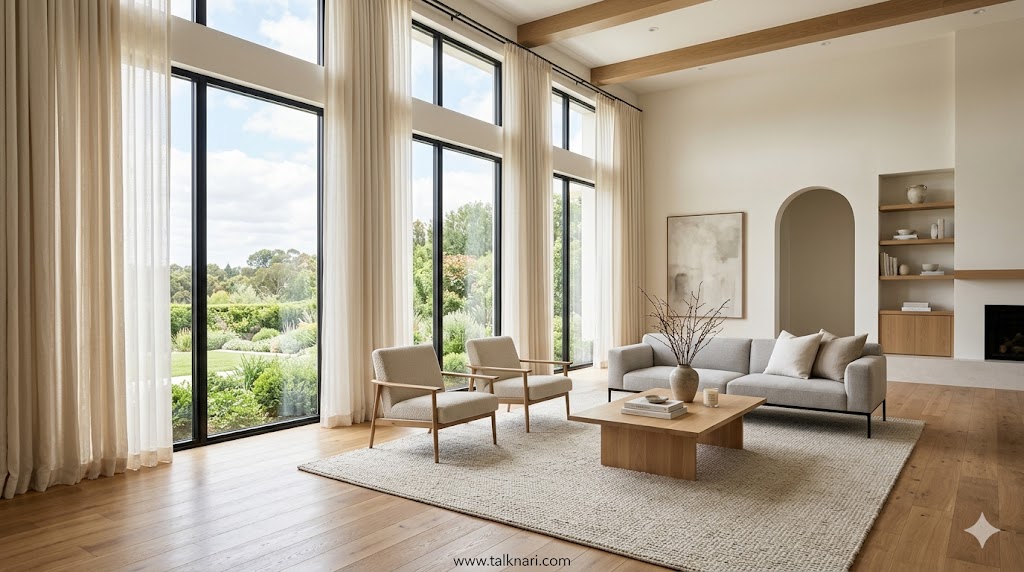
11. Hanging Curtains Too Low
Curtain placement has a surprising effect on how large a room feels.
Mounting curtains higher can create the illusion of taller ceilings and a more open environment.
12. Filling Corners With Random Items
Corners often become storage zones for baskets, plants, lamps, or miscellaneous décor.
When every corner is occupied, the room can feel busier than necessary.
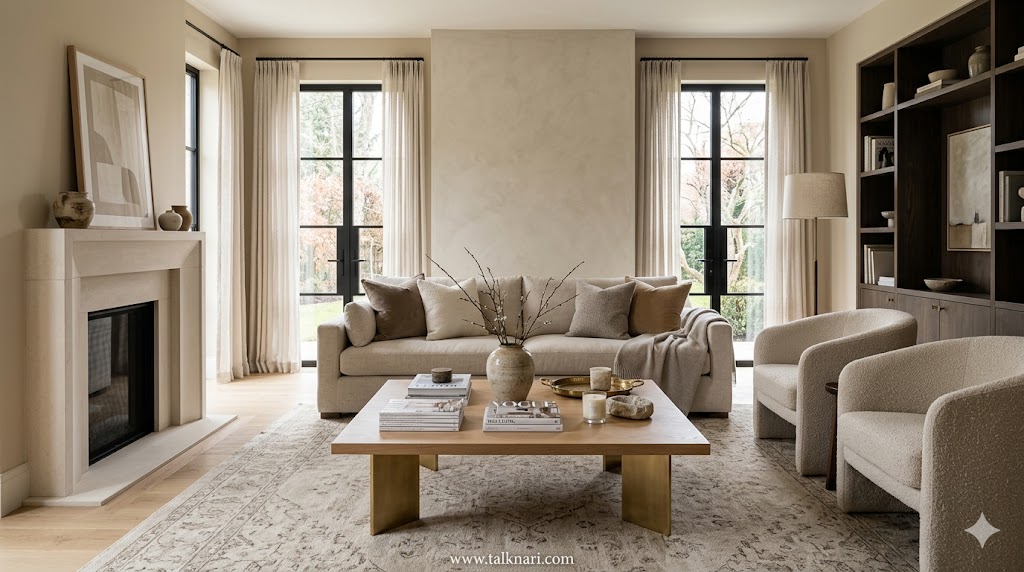
13. Mixing Too Many Styles
A room filled with competing styles can feel visually chaotic.
Creating consistency through color, materials, or design language often results in a calmer and more cohesive space.
14. Using Lighting From Only One Source
Relying on a single ceiling fixture can create dark areas throughout the room.
Layered lighting helps create depth and makes spaces feel more inviting.
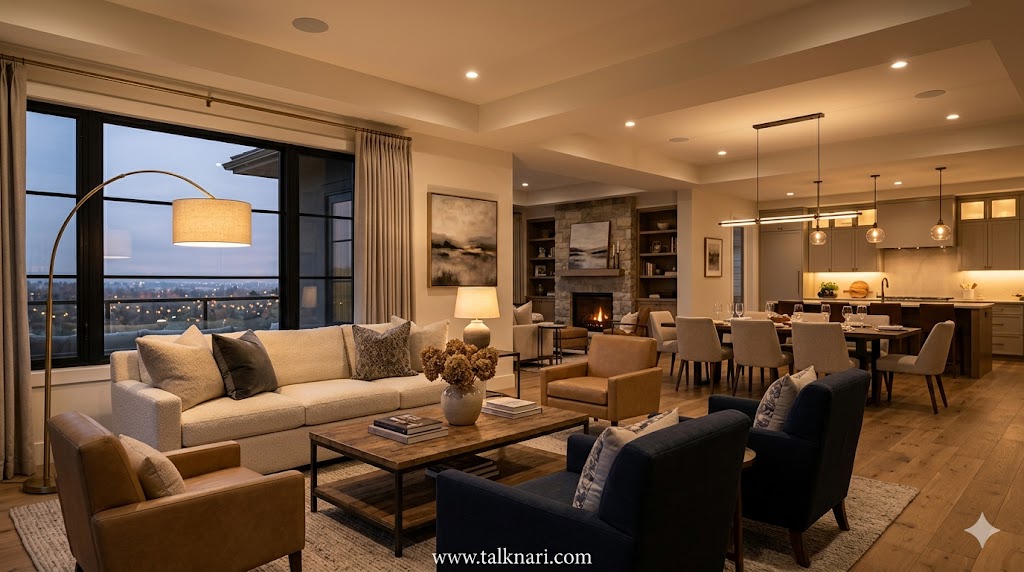
15. Forgetting About Sightlines
One of the biggest reasons a room feels cramped is interrupted sightlines.
When furniture, décor, or oversized pieces block views across the room, the space can feel smaller than it actually is.
Keeping sightlines open creates a stronger sense of spaciousness.
Conclusion
Many living rooms feel smaller than they should not because of size, but because of design decisions that affect light, flow, and visual balance.
By avoiding these common mistakes and focusing on thoughtful furniture placement, better lighting, and cleaner sightlines, even modest living rooms can feel brighter, calmer, and significantly more spacious.
Small changes often have the biggest impact when it comes to creating a living room that feels comfortable, welcoming, and easy to enjoy every day.