

Introduction
Some of the best living room upgrades aren’t the most obvious ones.
Many homeowners spend time choosing paint colors, furniture, and decorative accessories, only to realize later that certain features would have made everyday life much more comfortable. A well-designed living room isn’t just about appearance. It should support relaxation, entertaining, family time, and daily routines with ease.
The good news is that many of these improvements don’t require a complete renovation. Small changes can make a significant difference in how a room functions and feels. These are the living room features homeowners often wish they had included from day one.
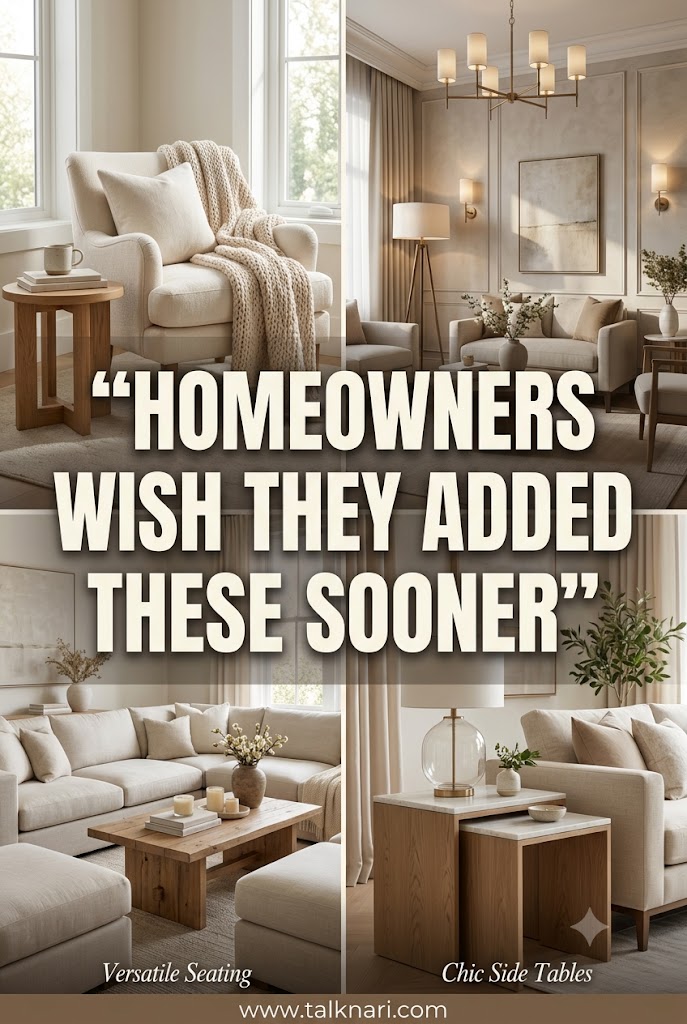
1. Flexible Seating Arrangements
Living rooms rarely serve just one purpose.
One day the room may be used for family movie night, while the next it becomes a gathering space for guests. Flexible seating options such as movable chairs, ottomans, and modular sofas allow the room to adapt to different situations without feeling crowded.
A flexible layout also helps make the space feel more welcoming and practical for everyday use.
2. A Conversation-Friendly Layout
Many living rooms are designed entirely around a television.
While entertainment is important, rooms that also encourage conversation tend to feel more inviting. Positioning seating so people can comfortably talk to one another creates a warmer atmosphere and makes the room more useful when hosting visitors.
The best layouts balance entertainment and social interaction rather than focusing on only one function.
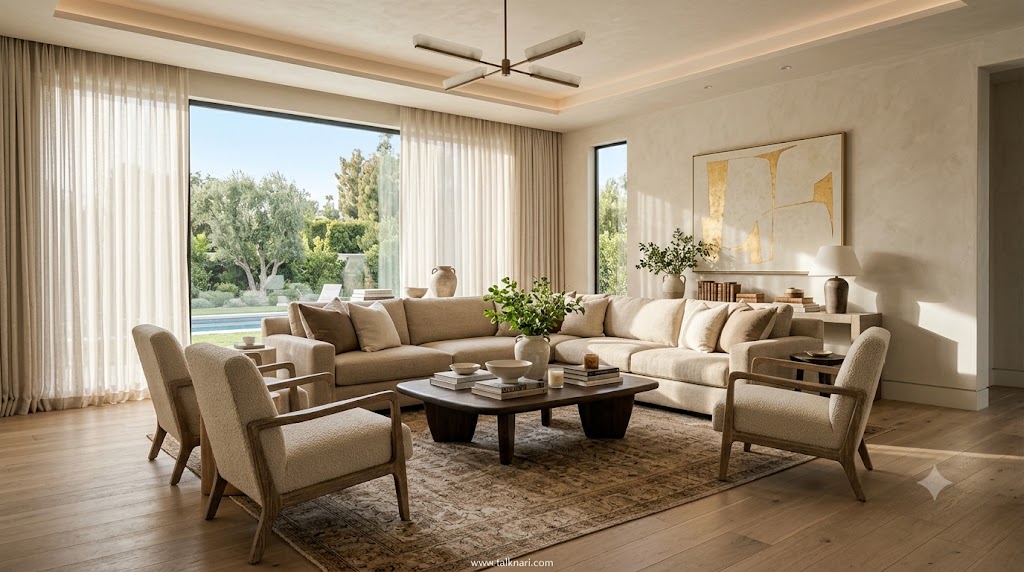
3. Layered Lighting
Relying on a single ceiling fixture often leaves a room feeling flat.
Layered lighting combines overhead lights, table lamps, floor lamps, and accent lighting to create a more comfortable environment throughout the day. Different lighting levels allow homeowners to adjust the mood depending on the activity.
Natural light also plays a major role in how bright a room feels. If you’re looking for ways to maximize daylight, our guide on living room curtain styling ideas shares practical ways to enhance both light and style.
4. Multiple Surface Areas
Coffee tables are useful, but they aren’t always enough.
Additional side tables make everyday living more convenient by providing extra space for drinks, books, remote controls, and decorative accessories. Small surfaces placed strategically around the room often improve functionality without increasing clutter.
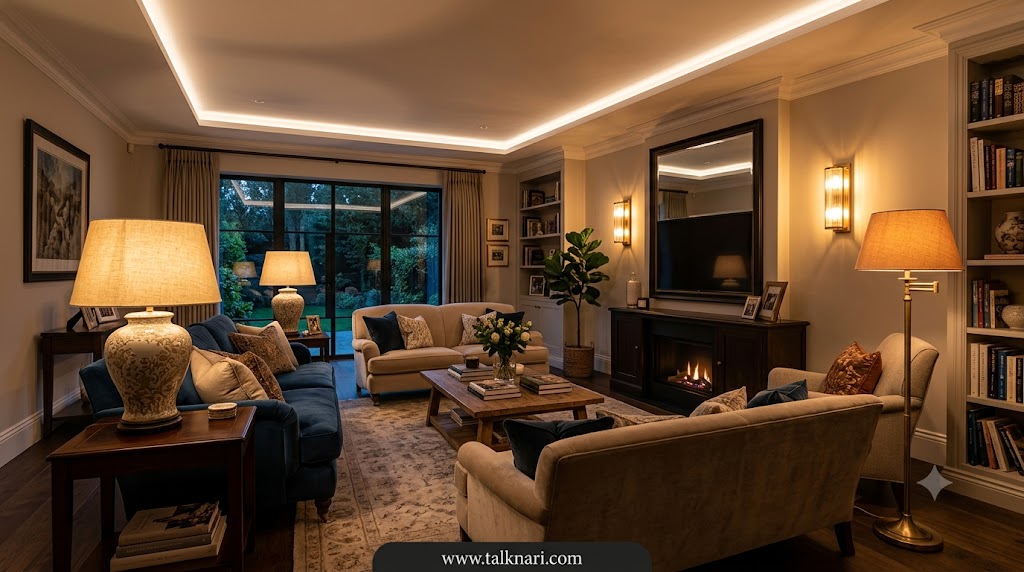
5. Furniture That Can Adapt
Homes change over time, and living rooms should be able to change with them.
Furniture that can adapt to different needs offers long-term flexibility. Modular sectionals, movable ottomans, nesting tables, and lightweight accent chairs make it easier to rearrange the room when necessary.
This adaptability helps the living room remain functional for years rather than feeling outdated after a short period.
6. Better Traffic Flow
One of the most common design regrets is poor traffic flow.
Furniture that blocks walkways can make even a large room feel awkward and cramped. Clear pathways help people move comfortably through the space and create a more open atmosphere.
Good traffic flow often improves both functionality and visual balance at the same time.
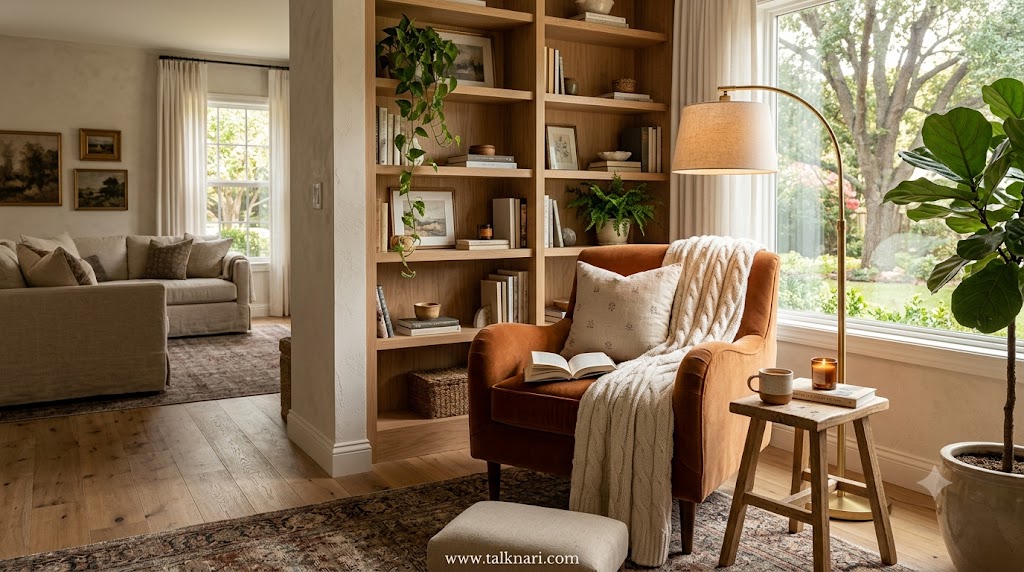
7. Dedicated Reading Spaces
A reading corner may seem like a luxury, but many homeowners quickly discover how valuable it can be.
A comfortable chair, proper lighting, and a small side table create a quiet retreat within the home. Even a small reading nook can make a living room feel more personal and inviting.
If you’re working with limited square footage, our article on small living room ideas that feel bigger explores ways to create functional zones without making the room feel crowded.
8. Durable Materials For Everyday Life
Beautiful materials matter, but practical materials often matter more.
Living rooms experience daily wear from family members, guests, pets, and everyday activities. Durable fabrics and finishes help maintain the room’s appearance while reducing long-term maintenance concerns.
Choosing materials that balance style and practicality often leads to greater satisfaction over time.
9. Furniture Scaled To The Room
Oversized furniture can quickly overwhelm a space.
Large sectionals and bulky chairs may appear comfortable, but they often reduce visual openness and limit flexibility. Furniture that matches the scale of the room creates a better balance between comfort and spaciousness.
The goal is to allow furniture to support the room rather than dominate it.
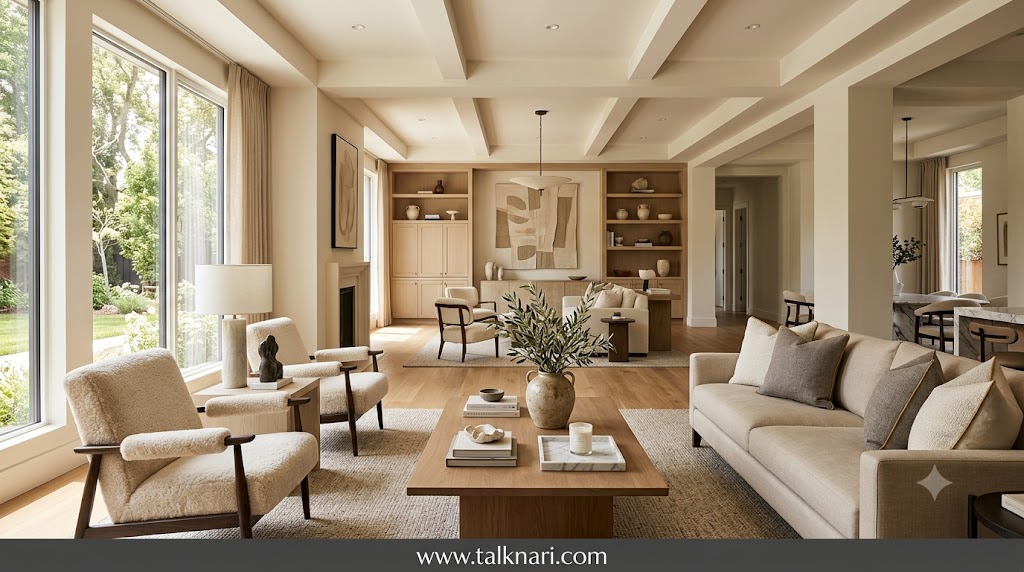
10. Spaces That Feel Connected
Living rooms function best when they connect naturally with nearby spaces.
Whether the room opens to a dining area, kitchen, or hallway, thoughtful layouts help maintain a smooth flow throughout the home. Connected spaces often feel larger and more welcoming.
A room that feels integrated with the rest of the home usually supports daily life more effectively.
11. Comfortable Secondary Seating
Many homeowners focus almost entirely on the main sofa.
However, additional seating often becomes one of the most appreciated features when entertaining guests. Accent chairs, benches, and ottomans provide flexibility while making gatherings more comfortable.
Secondary seating also helps create a balanced and layered furniture arrangement.
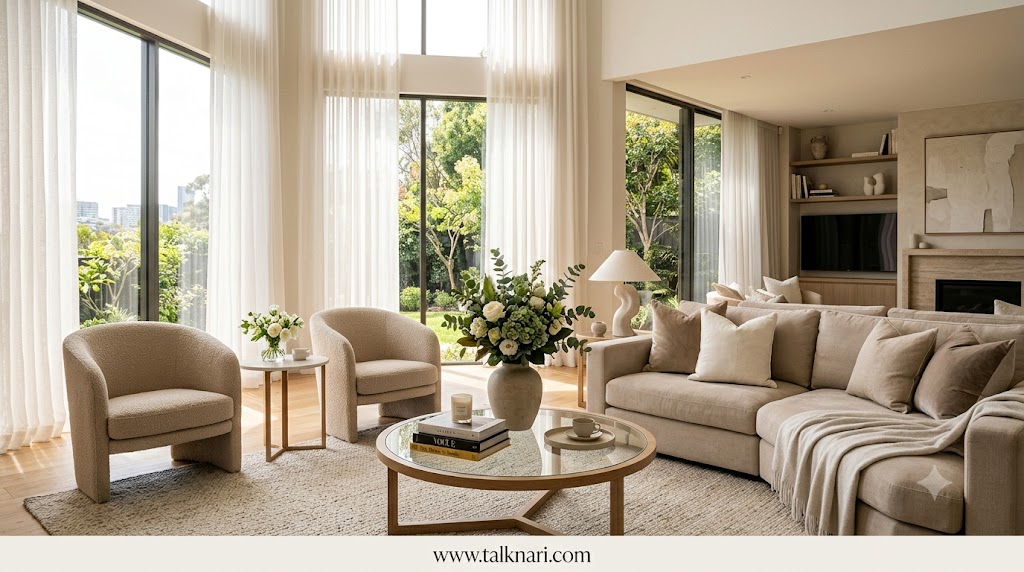
12. A Clear Focal Point
Every successful living room benefits from a focal point.
This could be a fireplace, a large window, artwork, or a media wall. A focal point gives the eye somewhere to rest and helps the room feel more organized and intentional.
For more inspiration on creating visually balanced spaces, explore our collection of stunning living room ideas featuring layouts and focal-point designs that elevate the entire room.
13. Easy Access To Natural Light
Natural light has a powerful effect on how a room feels.
Bright spaces often feel larger, more welcoming, and more comfortable. Positioning furniture to support rather than block natural light helps maximize this effect.
The relationship between light and room design is often overlooked. Small adjustments to furniture placement can dramatically improve brightness throughout the day.
14. Storage That Doesn’t Dominate The Room
Storage is essential, but it shouldn’t overwhelm the design.
Large storage units can make a room feel heavy and crowded. Integrated solutions such as built-ins, storage benches, and multifunctional furniture provide organization while maintaining a clean appearance.
Decorative styling also plays a role in keeping surfaces visually balanced. Our guide on coffee table decor ideas explores simple ways to create a polished look without adding unnecessary clutter.
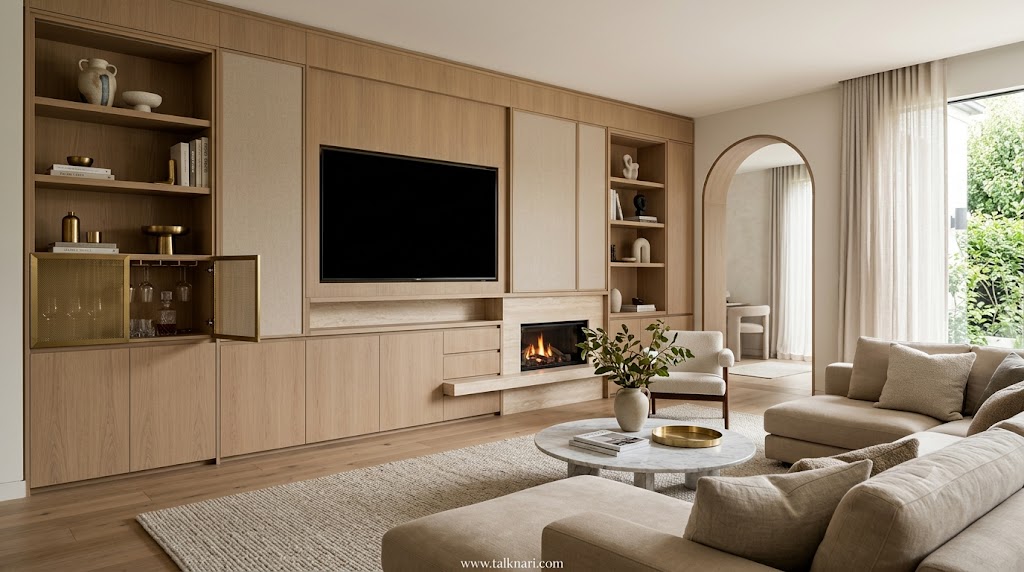
15. A Layout That Works For Daily Life
The most valuable living room feature isn’t a trend or a specific piece of furniture.
It’s a layout that supports everyday living. When a room works well for relaxing, entertaining, reading, and spending time with family, it naturally becomes one of the most enjoyable spaces in the home.
Design decisions should always support how people actually use the room rather than simply following trends.
Conclusion
The living room features homeowners appreciate most are often the ones that improve daily comfort and functionality rather than simply enhancing appearance.
From flexible seating arrangements and layered lighting to better traffic flow and thoughtful layouts, these practical features help create spaces that feel welcoming, comfortable, and easy to live in. By focusing on how a room functions as well as how it looks, homeowners can create a living room they’ll continue to enjoy for years to come.
