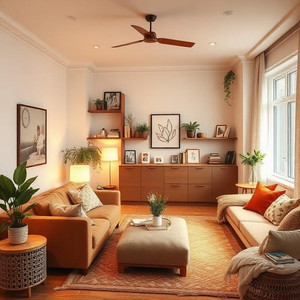
Moving into your first home is an exciting and memorable milestone, marking the beginning of a new chapter in your life. However, once the excitement settles, the task of decorating can quickly feel overwhelming. With countless design styles, color choices, furniture options, and décor trends available, it can be difficult to know where to begin or how to make the right decisions. Instead of feeling pressured to create a perfect home instantly, the key is to take a thoughtful, step-by-step approach. Focus on building a space that is not only visually appealing but also comfortable and functional for your everyday needs. By making intentional choices and allowing your home to evolve over time, you can create an environment that reflects your personality, supports your lifestyle, and truly feels like home.
Start With a Clear Vision
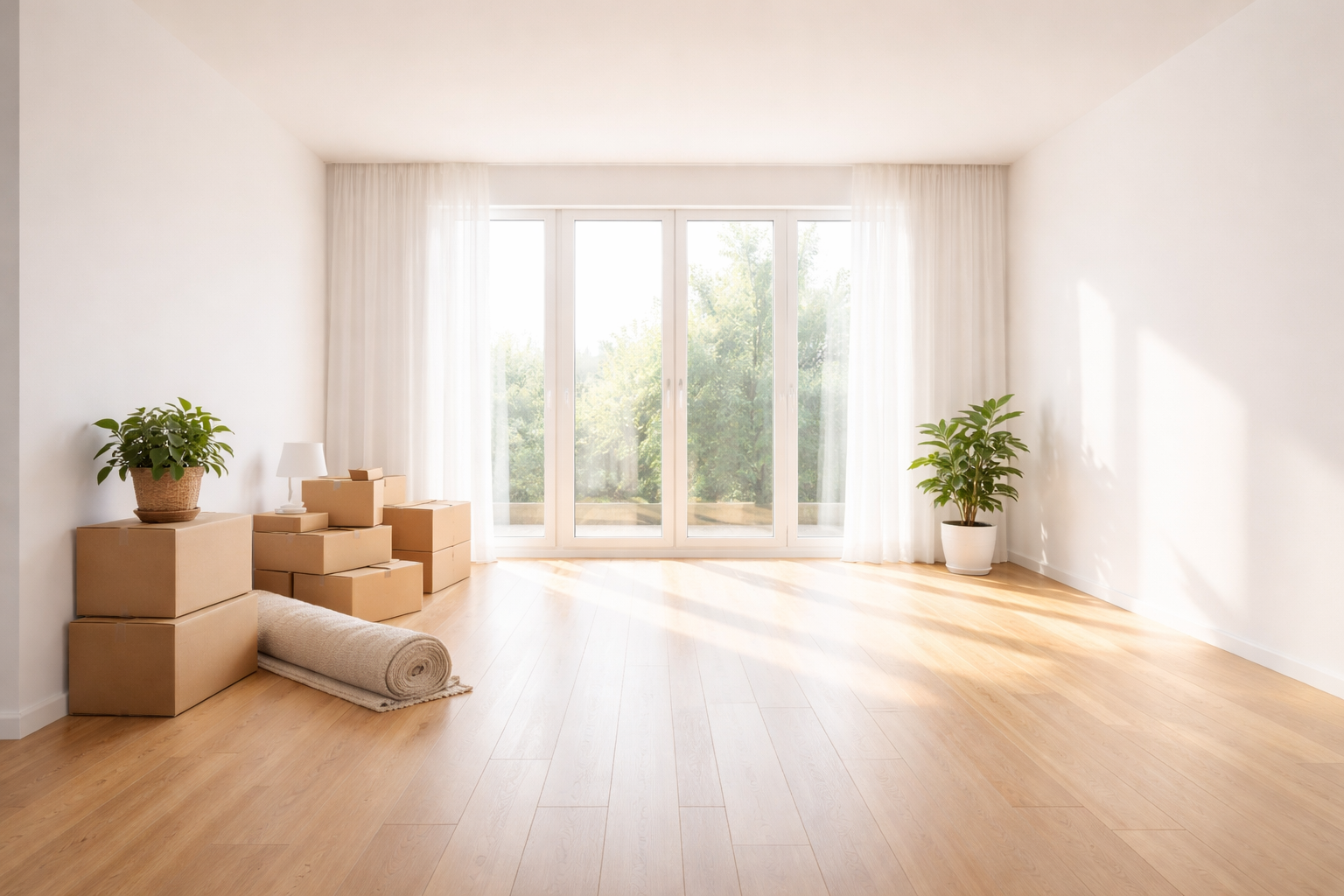
Before buying furniture or décor, take time to define your style. Browse interior design websites, social media platforms, and magazines to gather inspiration. Decide whether you prefer modern, minimalist, traditional, or eclectic décor. Having a clear vision helps you make consistent choices and prevents unnecessary spending.
Focus on Essential Furniture First
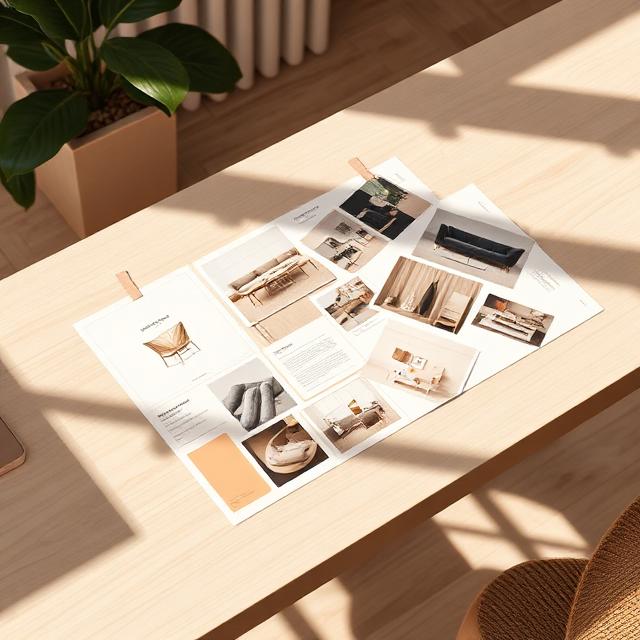
Begin by investing in key furniture pieces such as a sofa, bed, dining table, and storage units. These items form the foundation of your home and should prioritize comfort and quality. Choose neutral designs that can adapt to different décor styles as your taste evolves over time.
Choose a Simple and Balanced Color Palette
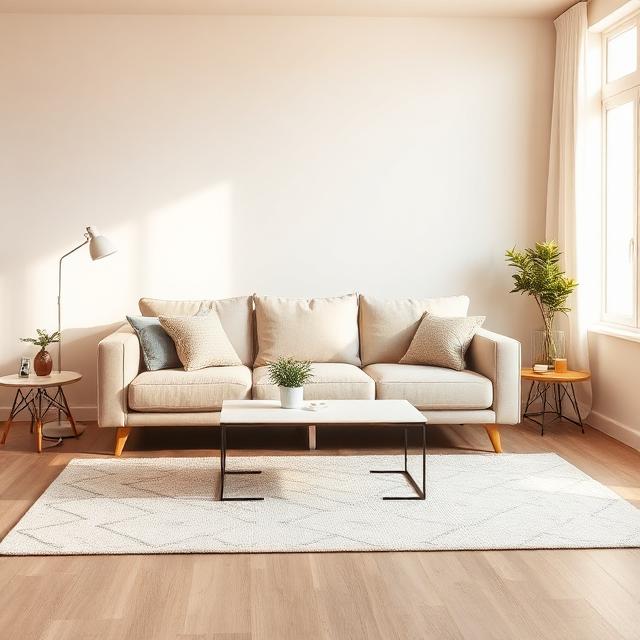
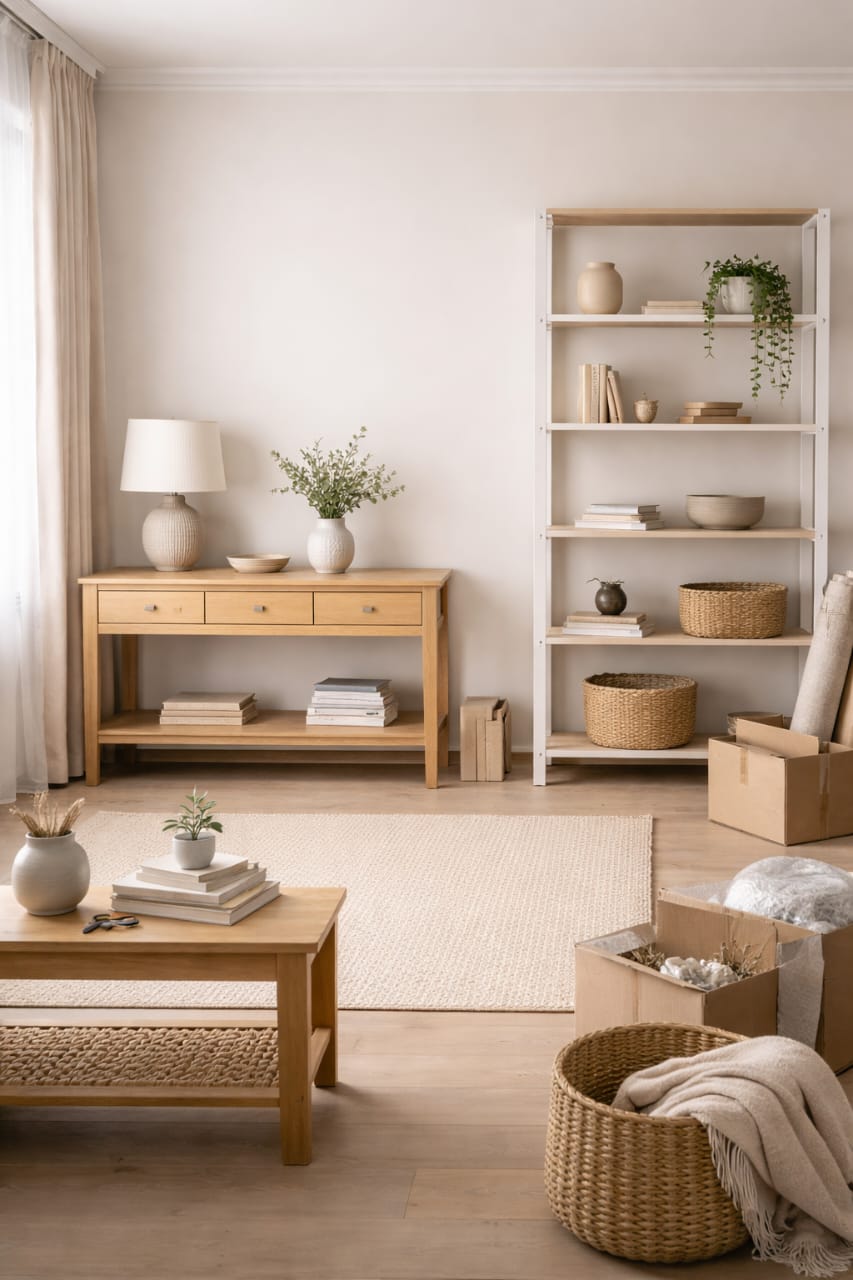
A cohesive color palette plays a major role in making your home feel organized, balanced, and visually appealing. When colors work well together, the entire space feels more harmonious and easier on the eyes. Neutral tones such as white, beige, gray, and soft pastels are especially ideal for first homes because they create a calm, timeless foundation that suits a wide range of décor styles. These shades also make rooms feel brighter and more spacious, which is helpful when you are still learning how to style your space. Once the base colors are in place, you can gradually introduce personality through colorful cushions, artwork, rugs, or decorative accessories. This flexible approach allows you to refresh your home over time without major changes, giving you the freedom to experiment while maintaining a clean and cohesive look.
Decorate One Room at a Time
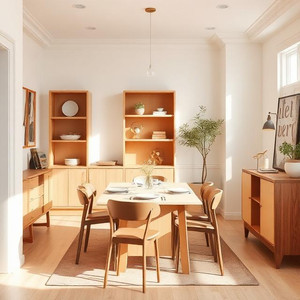
Trying to decorate your entire home at once can quickly become overwhelming and stressful, especially when you are settling into a new space for the first time. Instead of rushing to complete everything, it is far more effective to focus on one room at a time—starting with key areas such as the living room or bedroom, where you spend most of your time. This step-by-step approach allows you to plan more thoughtfully, make better design decisions, and avoid unnecessary expenses. By concentrating on a single space, you can carefully choose furniture, colors, and décor that work well together, ensuring each room feels complete and well-balanced. It also helps you manage your budget more efficiently, spreading costs over time while giving each area the attention it deserves for a more cohesive and polished home.
Add Personal Touches
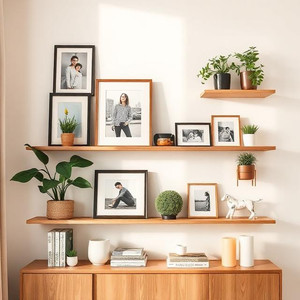
Your first home should reflect who you are. Display personal items such as family photos, travel souvenirs, artwork, or books. These details bring warmth and character to your space, making it feel truly yours rather than just style.
Don’t Forget Lighting and Accessories
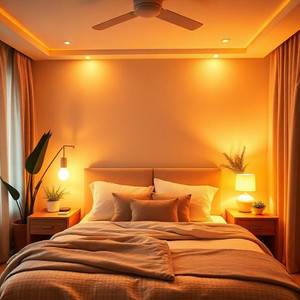
Lighting can completely change the mood of a room. Use a mix of natural light, floor lamps, table lamps, and warm bulbs to create a welcoming atmosphere. Finish the look with accessories like rugs, curtains, cushions, and indoor plants to add texture and comfort.
Conclusion
Decorating your first home is a journey, not a race, and it deserves time, patience, and thoughtful decision-making. Rather than trying to complete everything at once, begin with a clear vision of how you want your home to look and feel. Focus first on essential furniture and functional pieces that support your daily life, then gradually layer in décor that reflects your personality and lifestyle. As your space evolves, you’ll gain a better understanding of your preferences, allowing you to make more confident and meaningful choices. With careful planning, creativity, and patience, your first home will slowly transform into a comfortable, personal retreat a place that feels welcoming, reflects who you are, and truly feels like home every time you return.